
Civil lawsuits are one of the primary ways legal disputes are resolved in California. Individuals, businesses, and other parties may bring civil claims when they believe another party has violated a legal obligation, caused harm, or failed to meet a responsibility. These disputes can involve contracts, property, personal injuries, business relationships, and many other issues.
Although each case has its own circumstances, civil litigation generally follows a series of procedural stages. Understanding these stages can help readers follow court news, recognize important case developments, and understand why some disputes take months or years to resolve.
What Is a Civil Lawsuit?
A civil lawsuit is a legal proceeding in which one party seeks a remedy from another party for an alleged legal wrong. The party bringing the lawsuit is generally called the plaintiff, while the party responding to the claim is called the defendant.
Depending on the dispute, a plaintiff may seek monetary damages, a court order requiring someone to take or stop an action, or another remedy permitted by law. Filing a lawsuit does not automatically establish that the allegations are true. The claims must be addressed through the legal process, and the outcome depends on the applicable law, evidence, and procedural circumstances.
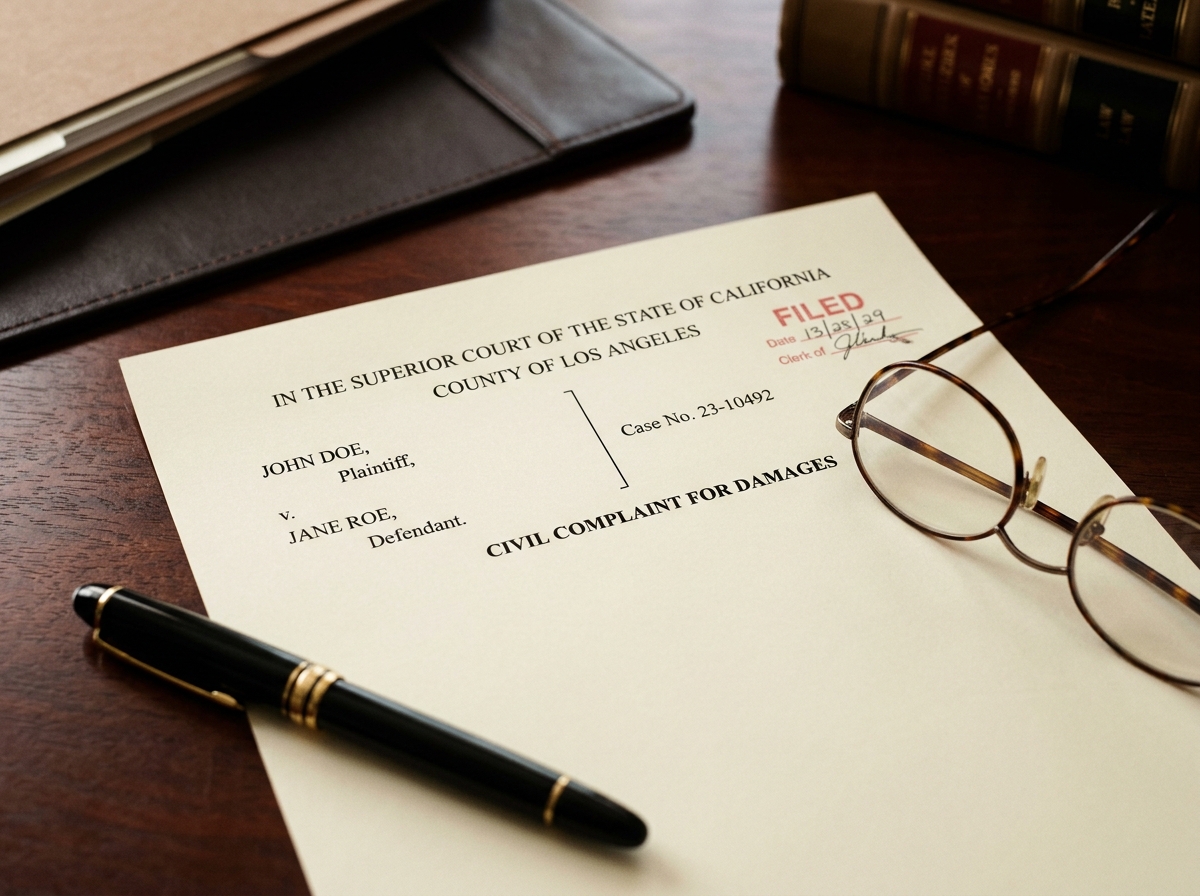
Filing a Complaint and Starting the Case
A civil case typically begins when the plaintiff files a complaint with the appropriate court. The complaint identifies the parties, describes the claims being made, and explains the relief being requested. The correct court and procedure depend on factors such as the nature of the dispute, the amount in controversy, and applicable jurisdictional rules.
After filing, the plaintiff generally must arrange for the defendant to be formally served with the required court documents. Service gives the defendant notice of the lawsuit and an opportunity to respond. California law and court rules establish requirements for service, deadlines, and the documents that must be provided.
Responding to the Lawsuit
After being served, the defendant has an opportunity to respond to the complaint within the applicable deadline. Depending on the circumstances, a response may take the form of an answer, a motion challenging some aspect of the case, or another permitted filing.
The defendant may dispute the allegations, raise legal defenses, or challenge whether the complaint adequately states a claim. In some cases, the parties disagree about the facts. In others, the central dispute concerns how the law applies to the circumstances.
Missing a response deadline can have serious consequences, potentially including a default. The applicable deadline and available options depend on the type of proceeding, how service occurred, and other case-specific factors.
Discovery: Exchanging Information and Evidence
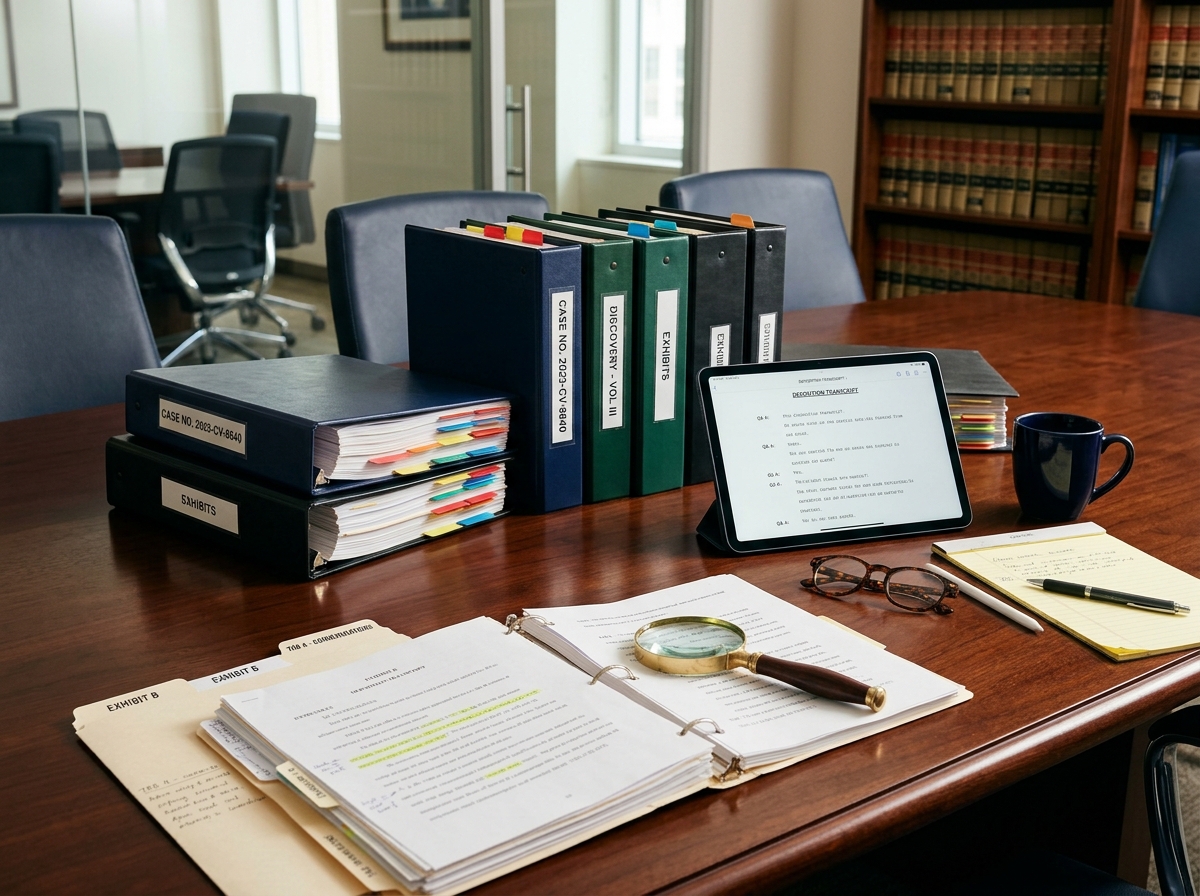
Discovery is the stage of litigation in which parties obtain information relevant to the claims and defenses in the case, subject to applicable rules and limitations. Discovery may involve written questions, requests for documents, requests for admission, and depositions in which witnesses answer questions under oath.
This process helps each side evaluate the available evidence and prepare its arguments. For example, a contract dispute may involve reviewing agreements and correspondence, while a personal injury case may involve medical records, photographs, witness statements, and expert analysis where permitted.
Discovery can be time-consuming, particularly when a case involves many parties, extensive records, or disagreements about what information must be produced. Courts may be asked to resolve discovery disputes when the parties cannot reach an agreement.
Settlement Negotiations and Alternative Dispute Resolution
Not every civil lawsuit proceeds to trial. Parties may negotiate a settlement at various points in the litigation, including before a lawsuit is filed, during discovery, or after important court rulings. A settlement generally involves an agreement resolving some or all of the disputed claims according to negotiated terms.
Some disputes also involve alternative dispute resolution methods, such as mediation or arbitration. In mediation, a neutral person helps the parties explore whether they can reach an agreement, but the mediator generally does not impose a decision. Arbitration differs because an arbitrator may issue a decision under the applicable agreement and rules.
A settlement does not necessarily mean that either party admits wrongdoing. The terms, scope, and legal effect of an agreement depend on the circumstances and the language of the settlement.
Trial and Court Judgment
If the parties do not resolve their dispute, the case may proceed to trial, provided it is not otherwise dismissed or resolved. At trial, the parties present evidence and legal arguments under the applicable procedural rules. Depending on the case, a judge or jury may decide disputed factual issues, while the judge determines legal questions.
After considering the evidence and applicable law, the court reaches a decision on the issues presented. The resulting judgment may award damages, establish rights or obligations, deny the requested relief, or provide another legally available remedy.
Even after a judgment is entered, additional proceedings may occur. These can include post-trial motions, disputes about enforcement, or an appeal where permitted. The existence of a judgment does not mean every issue has necessarily been resolved or that the outcome cannot be reviewed.
Appeals and What Happens Next
A party who believes a trial court made a reversible legal error may be able to appeal, subject to applicable requirements and deadlines. An appeal is not ordinarily a new trial. The reviewing court generally examines the record and the legal arguments to determine whether the challenged decision should stand or whether further action is required.
Depending on the issues and applicable standards of review, an appellate court may affirm, reverse, or modify a decision, or send the case back to the trial court for additional proceedings. Not every unfavorable outcome provides a valid basis for appeal, and procedural rules govern whether and how review may be sought.
Why Civil Litigation Matters
Civil lawsuits can address disputes involving financial losses, contractual obligations, personal injuries, property rights, and other legal interests. They also create a structured process for presenting evidence, evaluating competing claims, and obtaining remedies through the courts when disputes cannot otherwise be resolved.
Following the stages of a lawsuit helps readers understand legal reporting more accurately. A complaint contains allegations, discovery develops the evidentiary record, settlement negotiations may resolve a dispute, and a trial or later appeal may determine the outcome. These stages are not identical in every case, and some lawsuits conclude before reaching trial.
Understanding California Lawsuits
California civil litigation follows statutes, court rules, and procedures that vary according to the nature of the case. The process can be complex, and the time required to resolve a dispute depends on the issues involved, the court’s schedule, the parties’ actions, and other circumstances.
Readers following a particular lawsuit should consult reliable reporting and, where available, official court records to distinguish allegations from court findings and final outcomes. For questions about an individual dispute, a qualified California attorney can provide guidance based on the specific facts and applicable law.
Disclaimer: This article is for general informational and educational purposes only. It is not legal advice and does not create an attorney-client relationship.