
Personal injury claims can arise when someone is injured in an incident that another party may have caused or contributed to. In California, these claims can involve motor vehicle collisions, unsafe property conditions, defective products, and other circumstances in which a person alleges that another party’s conduct resulted in harm.
Not every accident creates a valid legal claim, and an injury alone does not automatically establish that another person or organization is legally responsible. The outcome of a personal injury dispute often depends on the facts, the applicable legal standards, the available evidence, and the extent to which the parties may have contributed to the incident.
What Is a Personal Injury Claim?
A personal injury claim is a legal demand for compensation or another available remedy following an injury allegedly caused by another party’s wrongful conduct. Depending on the circumstances, a claim may be addressed through an insurance process, settlement negotiations, a lawsuit, or a combination of these steps.
Common examples include injuries associated with vehicle collisions, falls on unsafe property, certain workplace-related incidents, and alleged medical negligence. Different rules may apply depending on the type of claim, the parties involved, and whether a special statute or legal relationship affects the case.
Understanding Negligence in California
Negligence is an important concept in many California personal injury cases. Generally, a negligence claim involves examining whether a party owed a legal duty of care, whether that duty was breached, whether the breach was a substantial factor in causing harm, and whether legally recognized damages resulted.
These questions are fact-specific. For example, a driver’s conduct may be evaluated in light of traffic laws and the circumstances of a collision. In a premises liability dispute, the analysis may consider the property owner’s or occupier’s responsibilities, the condition of the property, and what was reasonably known or should have been known about a potential hazard.
How Liability Is Evaluated
Liability refers to legal responsibility for a harm or loss. In personal injury disputes, the parties may disagree about how an incident occurred, whether reasonable care was exercised, or whether the conduct of one or more parties contributed to the injury.
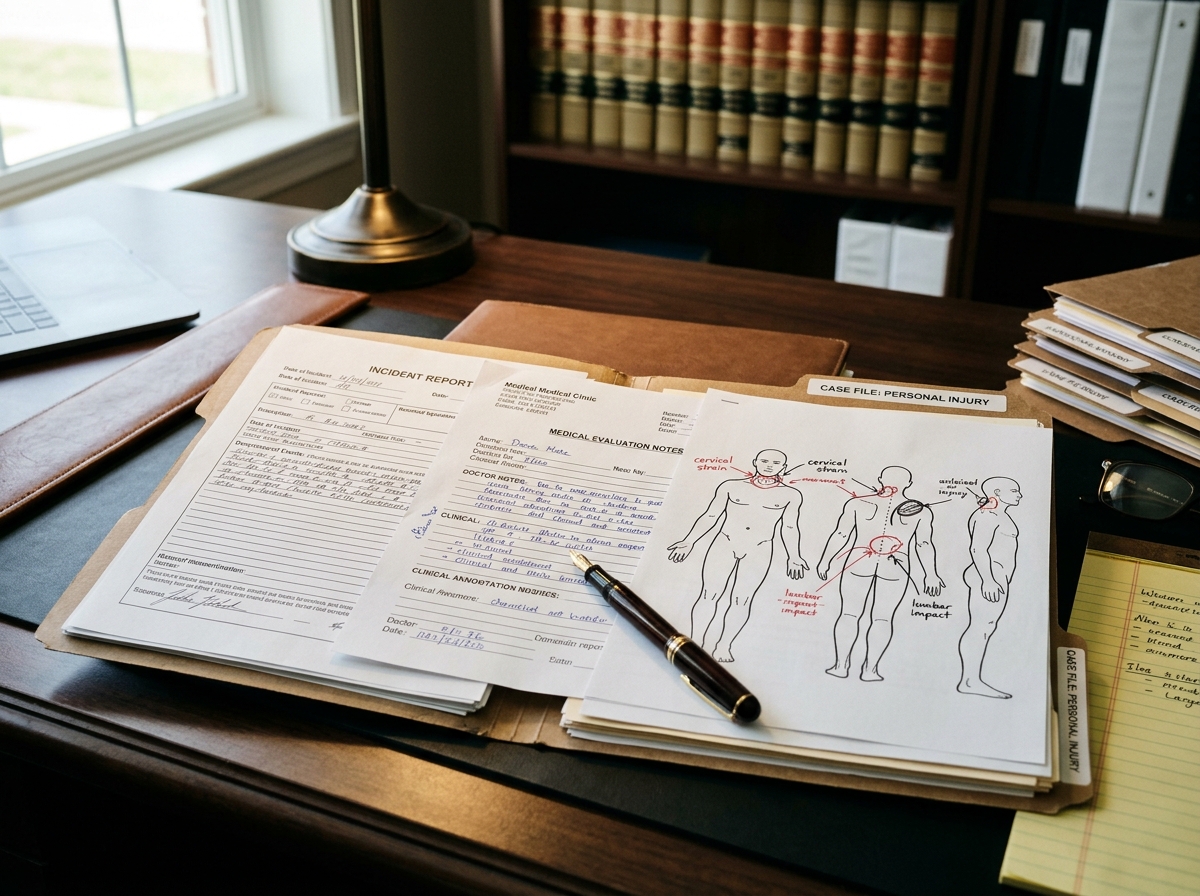
Evidence can include photographs, video footage, incident reports, witness statements, medical records, and expert opinions where appropriate. The relevance and reliability of each item depend on the circumstances, and no single type of evidence automatically determines the outcome of a claim.
California generally follows a comparative fault system in many negligence cases. This means a person’s share of responsibility for an incident may affect the amount of damages they can recover. The legal analysis depends on the facts and the applicable law, so assigning responsibility often requires careful evaluation rather than relying on assumptions about who was involved.
Types of Damages in Personal Injury Cases
When legal responsibility is established, a claimant may seek damages for losses recognized by law. The types and amounts of recoverable damages depend on the circumstances, the supporting evidence, and the rules applicable to the claim.
Economic Damages
Economic damages generally refer to financial losses that can be measured using evidence. Depending on the case, they may include reasonable medical expenses, certain rehabilitation costs, lost income, and other documented financial losses related to the injury. Future expenses or reductions in earning capacity may require additional supporting evidence.
Non-Economic Damages
Non-economic damages may compensate for losses that do not have a direct market price, such as physical pain, emotional distress, or loss of enjoyment of life, when recognized under the applicable law. Evaluating these damages can involve considering the nature of the injury, its effects on daily activities, and other relevant evidence.
Not every category of damages is available in every case. Specific rules and limitations may apply, and the evidence must support the losses being claimed.
The Role of Insurance in Injury Claims
Insurance often plays a significant role in resolving personal injury claims, particularly those involving motor vehicle collisions or property-related incidents. An insurer may review the circumstances, examine supporting documents, assess liability, and evaluate the claimed losses under the relevant policy and applicable law.
The claims process may involve requests for records, questions about how the incident occurred, negotiations over the amount of compensation, or disagreements about responsibility. An insurance offer does not necessarily reflect the full value of a claim, and accepting a settlement may affect the ability to pursue further compensation for the same incident.

When a Personal Injury Claim Becomes a Lawsuit
Some personal injury disputes are resolved through insurance negotiations or settlement agreements without a trial. When the parties cannot resolve important disagreements, a claimant may file a civil lawsuit, subject to the applicable legal requirements and deadlines.
During litigation, the parties may exchange evidence, take depositions, submit motions, and participate in settlement discussions. If the case proceeds to trial, a judge or jury may evaluate the evidence and determine the issues assigned to them under the applicable procedures. A filed lawsuit contains claims and allegations; it does not, by itself, establish that the defendant is liable.
California Filing Deadlines and Other Requirements
California law sets time limits, commonly known as statutes of limitations, for filing many personal injury lawsuits. The applicable deadline depends on factors such as the type of claim, the parties involved, and the circumstances surrounding the injury. Different or shorter requirements may apply to claims involving public entities, and special rules may affect cases involving minors or other circumstances.
Because missing a deadline can affect the ability to pursue a claim, anyone dealing with a potential personal injury matter should verify the applicable requirements promptly. General articles cannot determine the deadline for a specific case, particularly where exceptions or special procedures may apply.
Why Evidence and Accurate Reporting Matter
Personal injury cases often involve competing accounts of an incident and differing assessments of responsibility or damages. Careful documentation can help clarify what happened, while medical and other relevant records may help explain the nature and effects of an injury.
For readers following personal injury news, it is also important to distinguish allegations in a complaint from findings established through court proceedings. A settlement may resolve a dispute without a trial or an admission of liability, while a verdict reflects a decision reached through the relevant adjudicative process and may still be subject to post-trial proceedings or appeal.
Understanding California Personal Injury Disputes
Personal injury claims involve more than establishing that an injury occurred. They may require an assessment of negligence, causation, comparative fault, damages, insurance coverage, and filing requirements. Each case turns on its own facts and the law that applies to the particular circumstances.
Following reliable reports and reviewing relevant court information can help readers understand how these disputes develop. Anyone seeking advice about a specific injury or potential claim should consult a qualified California attorney who can evaluate the facts and explain the options available under the applicable law.
Disclaimer: This article is for general informational and educational purposes only. It is not legal advice and does not create an attorney-client relationship.