
California courts play an important role in interpreting laws, resolving disputes, and determining the rights and responsibilities of parties involved in legal proceedings. From disagreements between individuals to complex business litigation, court decisions can influence how legal issues are understood and addressed throughout the state.
Understanding how court decisions work can help readers follow legal news, recognize the significance of judicial rulings, and better understand the legal process. Although every case depends on its specific facts and applicable law, judicial decisions can provide important guidance for parties, attorneys, businesses, and members of the public.
How California Court Decisions Work
A court decision is an outcome reached by a judge or, in certain cases, a jury applying the relevant law to the facts presented in a proceeding. Depending on the type of case, a decision may address liability, the interpretation of a contract, the admissibility of evidence, a procedural question, or the appropriate remedy for a legal violation.
California’s court system includes Superior Courts, Courts of Appeal, and the California Supreme Court. Superior Courts generally handle trials and many initial proceedings. Courts of Appeal review eligible decisions from lower courts, while the California Supreme Court is the state’s highest court and reviews selected cases involving important legal questions.

Why Judicial Rulings Matter
Court rulings can affect the parties involved in a case and, depending on the court and legal issue, may also influence how similar disputes are handled in the future. A ruling may clarify how a statute applies to a particular situation, explain the meaning of a contractual provision, or establish the outcome of a claim based on the evidence presented.
The broader significance of a decision depends on several factors, including which court issued it, whether it is published, the legal questions it addresses, and whether it remains good law. Not every decision establishes a rule that applies to other cases. Some decisions primarily resolve disputes between the parties, while certain appellate opinions provide guidance that other courts must follow under applicable precedent rules.
The Difference Between Trial Court and Appellate Decisions
Trial courts and appellate courts perform different functions within California’s judicial system. Understanding these differences can make legal reporting easier to follow and help readers understand why a case may continue after an initial ruling.
Trial Court Decisions
Trial courts generally examine evidence, consider arguments, and apply the law to the dispute before them. Depending on the case, proceedings may involve witness testimony, documents, motions, a jury trial, or a decision by a judge. The outcome may resolve some or all of the claims, although additional proceedings or an appeal may follow.
Appellate Court Decisions
Appellate courts generally review claims that a lower court made a legal error. They usually rely on the existing record and the parties’ legal arguments rather than conducting a new trial or hearing all the evidence again. An appellate court may affirm a decision, reverse it, modify it, or send the matter back to the lower court for further proceedings, depending on the issues and applicable law.
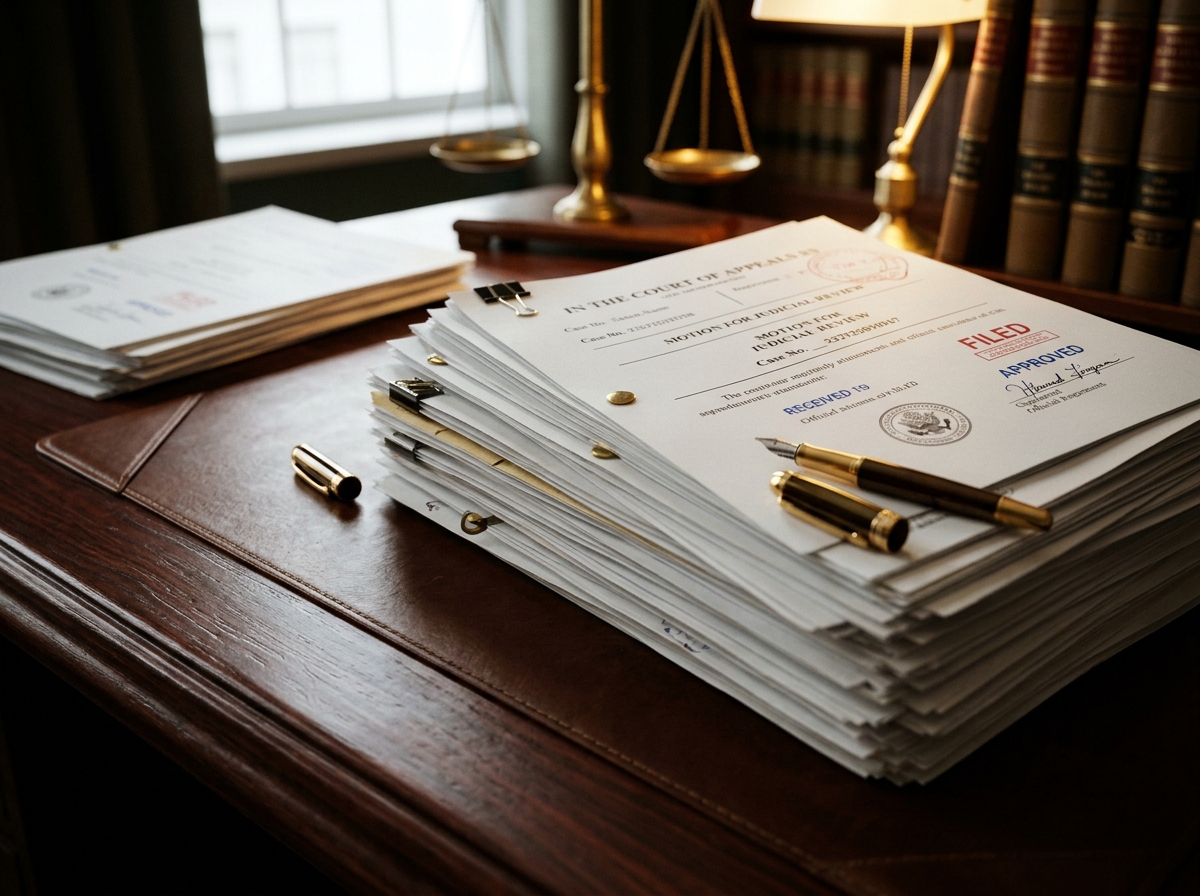
How Court Decisions Can Affect Future Cases
Some California court decisions become important references when similar legal questions arise in later cases. Published appellate opinions, for example, can establish or clarify legal principles that lower courts are required to apply when the relevant precedent governs the issue. The California Supreme Court’s decisions carry particular authority within the state’s court system.
However, the effect of a prior ruling depends on the legal context. Courts may distinguish an earlier case because its facts or legal issues differ. The status of an opinion also matters: California has specific rules governing the publication and citation of appellate opinions, and unpublished opinions generally cannot be cited or relied on as precedent except in limited circumstances provided by court rules.
For this reason, a headline about a court ruling does not always tell the full story. Readers should consider the court involved, the issues actually decided, the procedural history, and whether the ruling is final or subject to further review.
Following Important California Legal Developments
Legal news can help readers understand how courts address disputes and interpret laws. When reviewing a report about a California court decision, it is useful to identify the parties, understand the central legal question, and determine whether the court issued a final judgment, an interim ruling, or an appellate opinion.
Official court websites and published opinions can provide additional context for significant cases. Readers should also be mindful that lawsuits may involve allegations that have not been proven, and that a settlement does not necessarily mean a defendant admitted liability. Careful reporting distinguishes claims made by the parties from findings made by a court.
Understanding the Role of California Courts
California court decisions are an important part of the state’s legal system. They resolve disputes, explain how laws apply to particular circumstances, and, in appropriate cases, guide the resolution of future legal questions. Understanding the difference between trial court outcomes and appellate rulings can help readers make sense of legal news and follow the progress of significant cases.
As legal developments continue to shape public and private disputes, reviewing reliable sources and considering the context of each ruling can provide a clearer understanding of what a decision means—and what it does not mean.
Disclaimer: This article is for general informational and educational purposes only. It is not legal advice and does not create an attorney-client relationship. Readers with questions about a specific legal matter should consult a qualified attorney.